
There was so much to learn, to amaze, to interpret, that I never felt more like a foreigner on a trip to Spain. It started with my suitcase staying three extra days in Madrid Barajas Airport. Well, it’s been renamed for Adolfo Suárez, the country’s first Prime Minister after Franco’s death, but no one uses the new name and the American Airlines crew can’t pronounce it anyway. Never mind that I knew full well that changing airlines in Madrid to get to Málaga was a mistake. I even had a photo of my bag to help “just in case,” to no avail. The darn suitcase hung around the Madrid Airport by itself, whatever you call it.
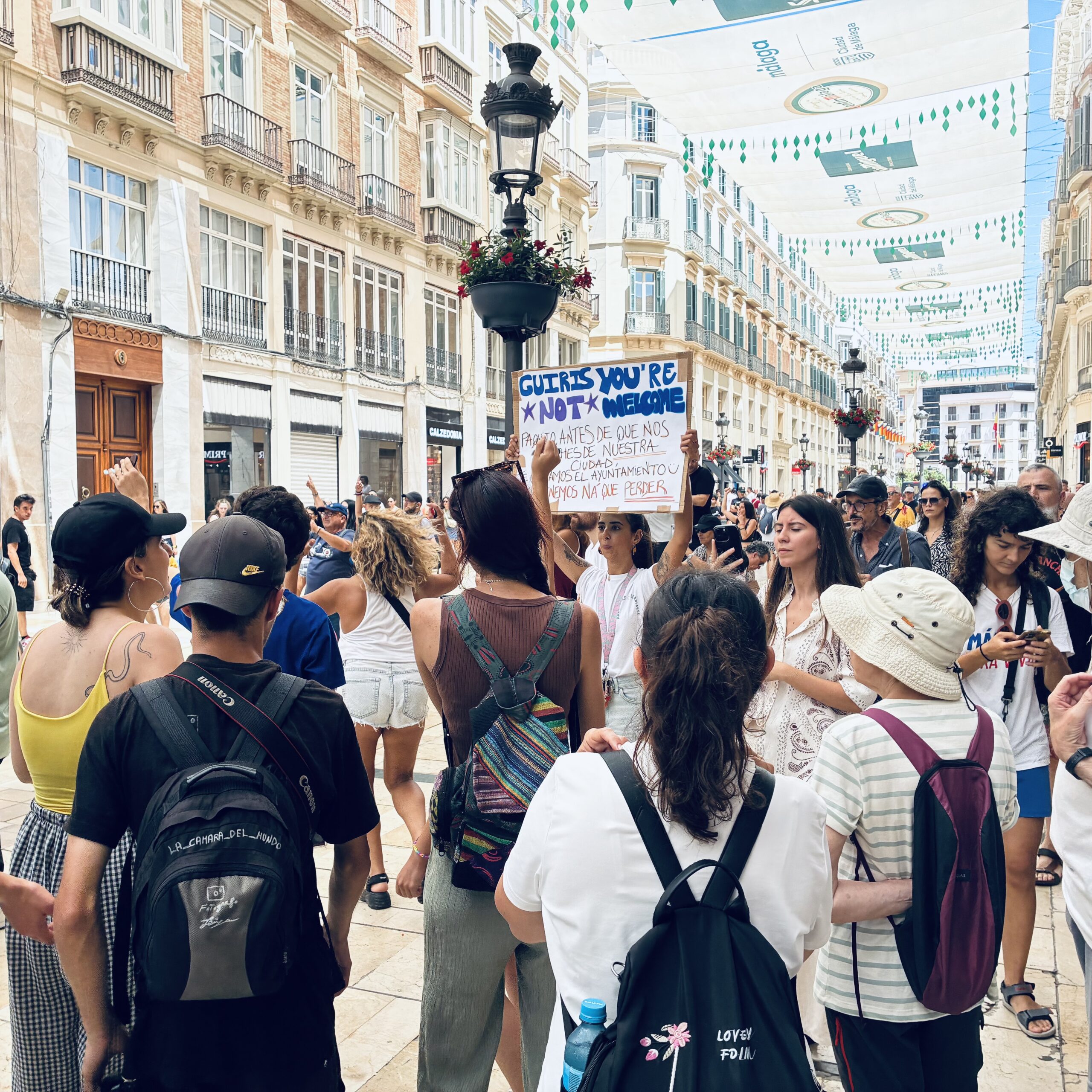
Málaga is still the beautiful Roman and Andalusian city it always was, although the taxi driver gave me a quick lecture of the current state of affairs—somehow, he could tell that I was an “American.” The tourists have taken over the best parts of the city, which are full of Airbnbs, rental investments and foreigners working there as digital nomads, without even paying local taxes. House prices have skyrocketed and the local inhabitants can’t afford to live there anymore and have to move to the suburbs. Sure enough, I got caught in a huge demonstration about the housing issue in Larios Street, the gorgeous pedestrian boulevard I remember in other trips lit with Christmas lights and the trendiest stores open until ten PM. And here I was thankful to have left Philadelphia just in time to skip the madhouse of the Fourth of July celebrations and the Semiquincentennial hoopla!
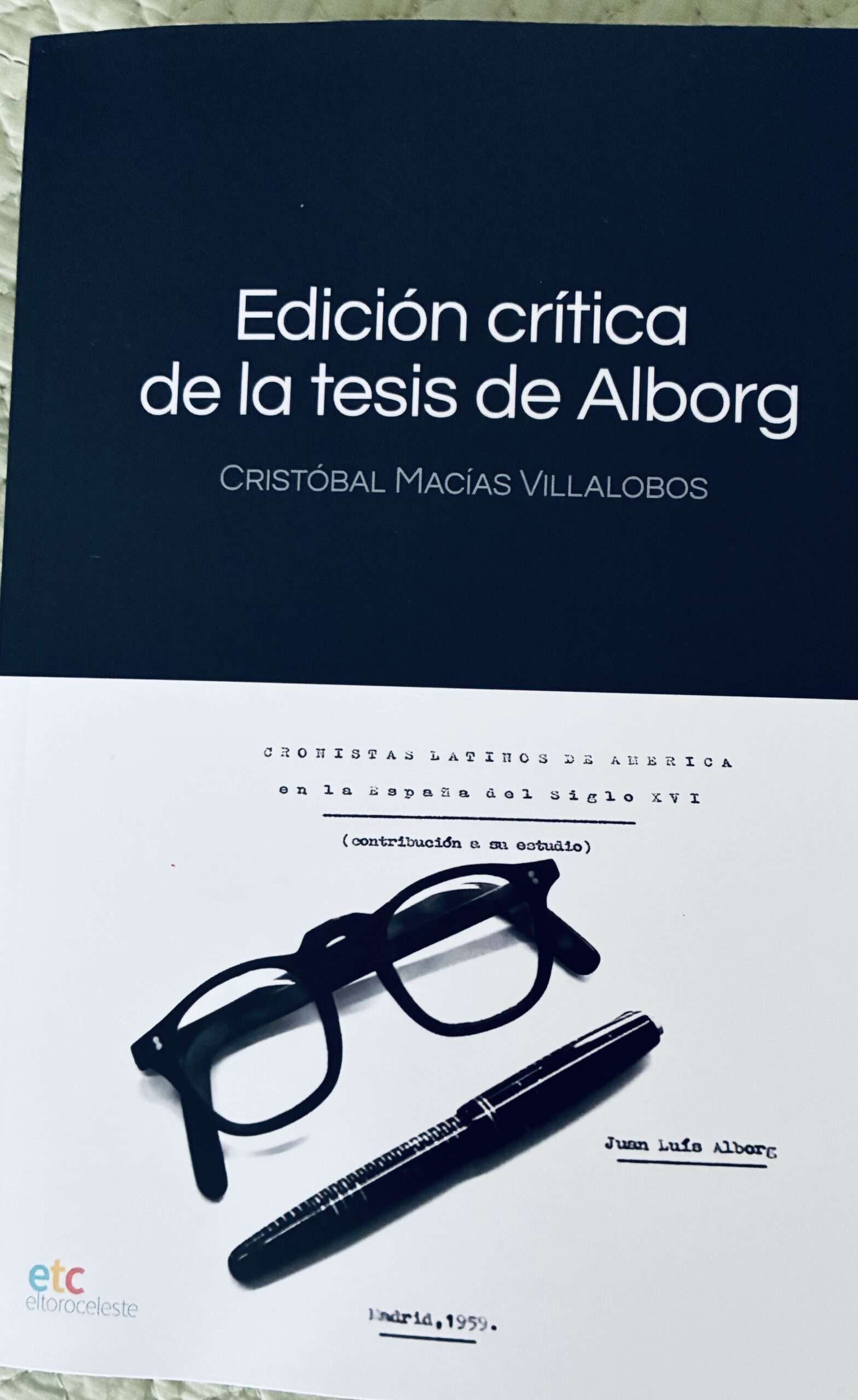
Fortunately, the students managed to show up at the University of Málaga campus for my Gender Studies lecture and the presentation of my father’s dissertation, written in Latin, which had never been published before. He did tutor me so I could pass the state exam, but who could read Latin anymore? I was moved to tears seeing his glasses and ink pen reproduced on the cover of the book. I couldn’t tell if I was jet lagged or touched by Spain’s magic spell.
My suitcase arrived just in time to drag it from high-speed train to high-speed train to get to Valencia, next time I’m packing carryon only. My white hair and traveling alone was a plus; young women and men offered to help me with my bag. Same phenomenon here as in the airport, though; the train stations have been renamed Almudena Grandes and Clara Campoamor—two famous women writers—but everyone still knows them as Atocha and Chamartín respectively. Don’t Spaniards ever learn? Just for the record, the train station in Valencia is named for the renowned impressionistic painter Joaquín Sorolla and there is no chance for an alternative.
I did notice that both sides of the train tracks were cleaned and landscaped as if they were a highline, why is the so called “best country in the world” so dirty? And why train travelers in Spain go through the same security protocols as an airport and all the trains arrive and leave on time or you get a refund, while there is hardly any security in the American train stations?
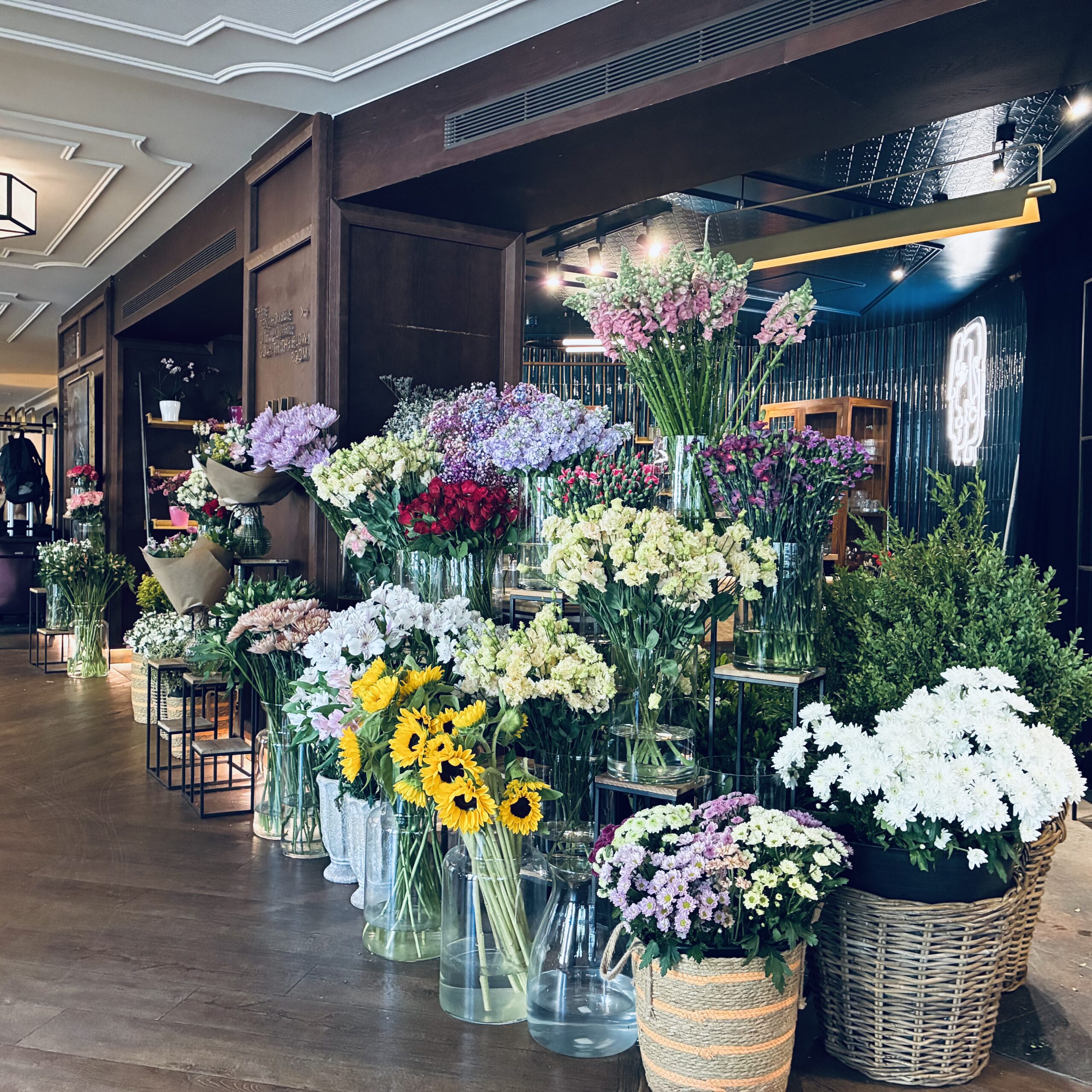
Valencia is the city where I was born, so I’m partial. The song says that it’s “the land of flowers” and, sure enough, the lobby of my hotel had a flower shop—never mind that its name is Only You. English has taken over and the receptionists used it to speak to me, until they saw my first name and my hurt feelings. I didn’t see any demonstrations, but between the Gay Games, the FIFA Championship and the heat wave, the city was hot and bothered. One needs a reservation to have simple tapas or an horchata, the popular Valencian drink. The tourists seemed to be at the beach. Come to think of it, the taxi driver told me that only small cruise ships are allowed in the harbor now and never on weekends.
The Congress site was in the heart of the old city, behind Santa María de la Asunción Cathedral, by Neptune Plaza. Best of all, it was air conditioned. The presentation of my book about my father was held in another historical area, past the Central Market and the Silk Exchange at the old University of Valencia, where my father started his academic career. 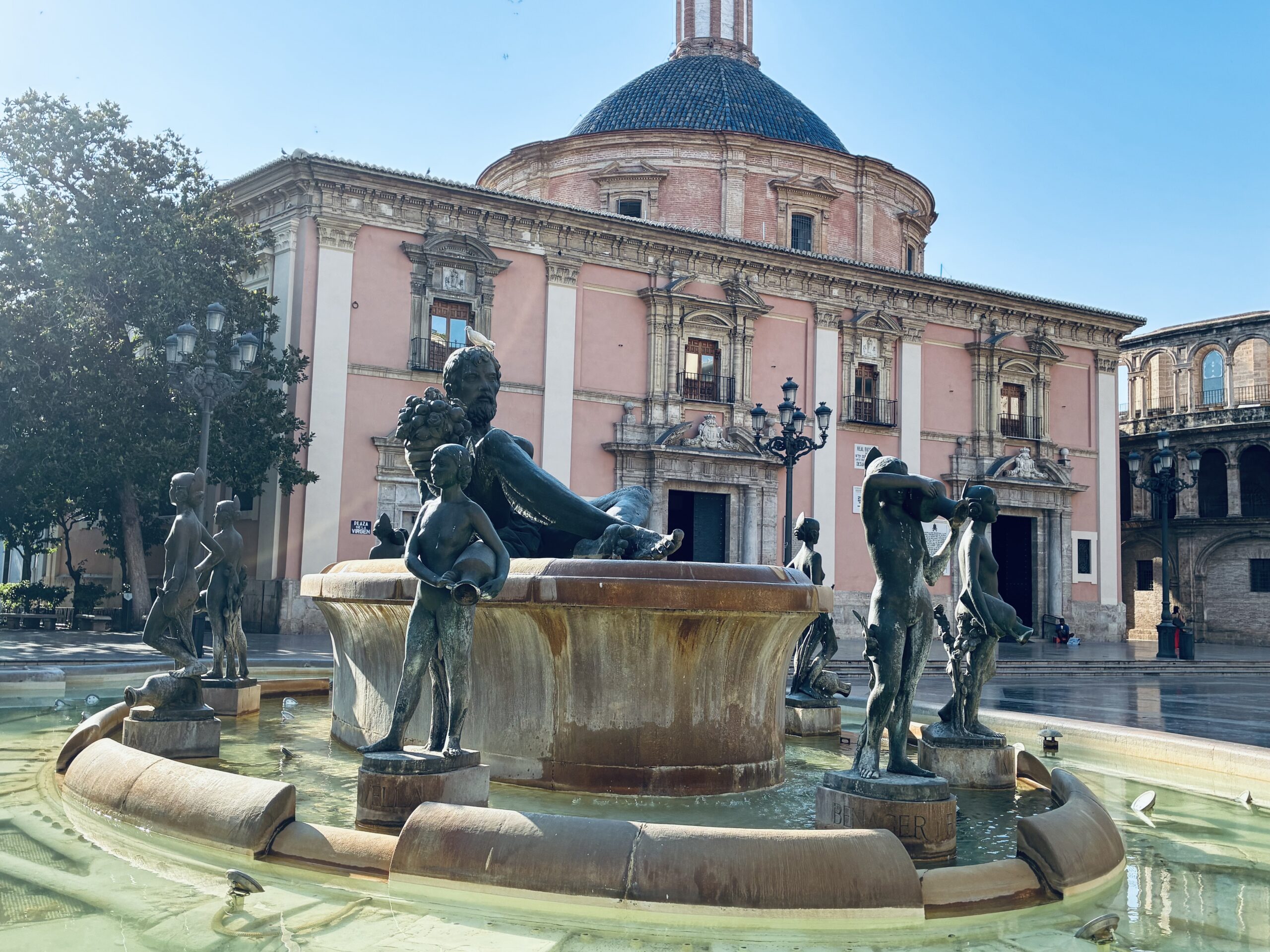 Old childhood friends and relatives from both sides of the family attended, including a niece who is a photographer and I recruited her immediately. It was an emotional and meaningful time, but I didn’t cry, I must have been acclimated by then.
In Madrid I always stay in my old Salamanca neighborhood, I don’t care how bougie that makes me. Only to find out that very rich Venezuelans have taken it over, except for the old boutiques that are still in the hands of real old money. Can you tell that the taxi driver on this occasion was a Latin American woman? With my professional responsibilities finished, it was time to see some exhibits with old friends. The one on García Lorca at the Residencia de Estudiantes was amazing. Will his body ever be found? It seems that with his closest family members all deceased now, no one wants to search anymore and unearth old wounds; let bygones be, sort of speak. The Prado Museum never disappoints. The lines for the Spanish Gothic Art were endless under the sun, but I was with a patron and they let us in a special entrance. Old Spanish customs still rule.
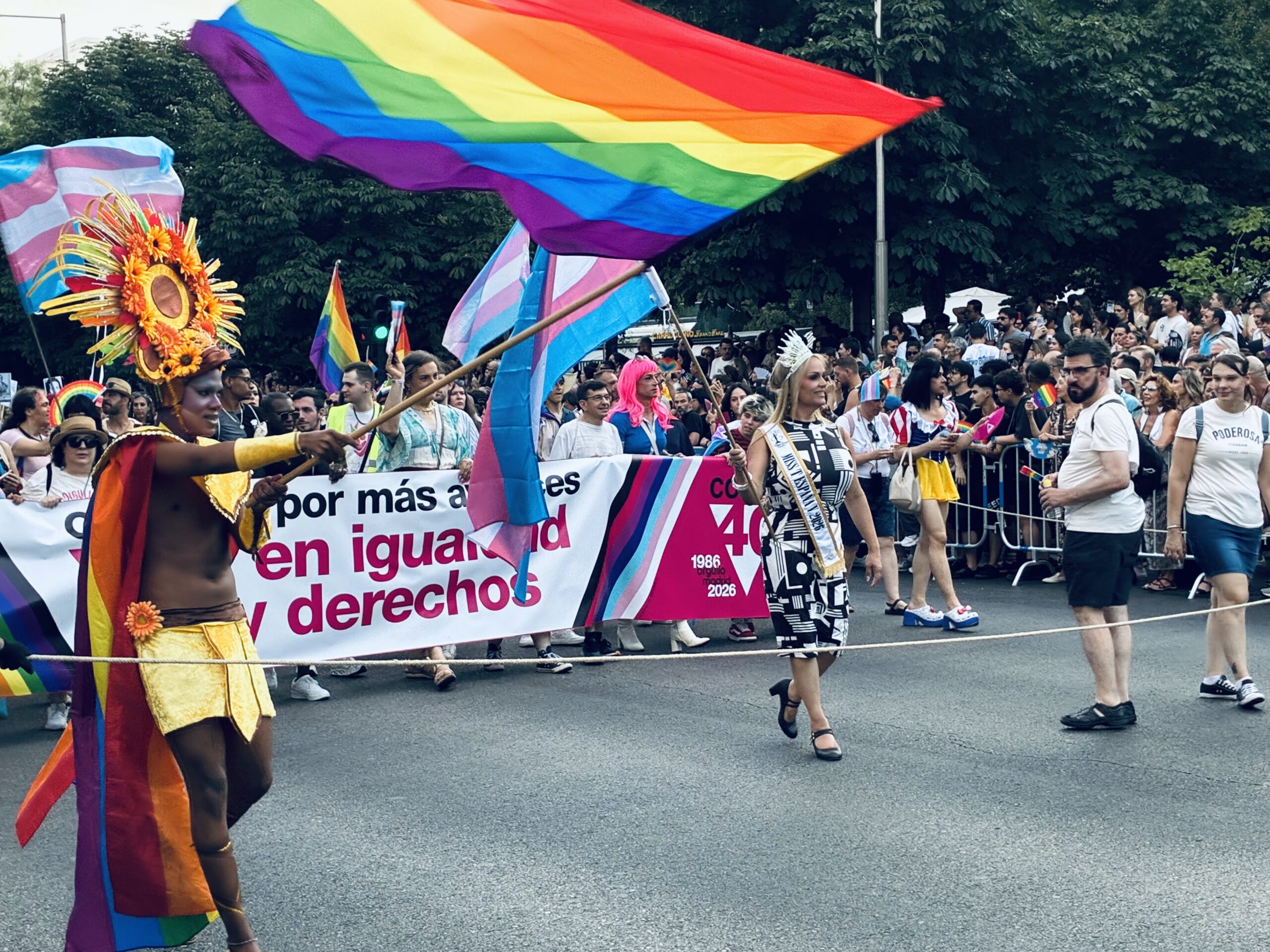 With the recent mayhem of Bad Bunny and the Pope crisscrossing paths in Madrid, I assumed that my visit would be quiet. Wrong. My family warned me that I would be stranded in my hotel on Sunday. The Orgullo Gay Parade was taking place and La Castellana would be closed from Atocha Station—I mean Almudena Grandes—all the way to Plaza Colón. We had to plan our usual meal together accordingly. I hadn’t gotten used to the fútbol mobs yet and then I needed to worry about gay pride crowds. The two groups couldn’t be more incongruous; the excitement was growing into a frenzy. Where was Pedro Almodóvar when I needed him? I tried to find something in common between both groups and I realized that all the men had the best legs I had ever seen!
I’m back at the Jersey Shore, can’t get more American that this. Spain is playing France in the FIFA Semifinals later today. The best news is that my grandson is now a Spanish citizen. The first one of my three grandchildren and my two daughters to get his papers, although they all applied at the same time. I read in El País that two and a half million grandchildren have applied for double nationality, that’s fodder for another post. Suffice it to say that the Spaniard in me still lives, even if I seem to be a foreigner in both continents.